
Yiffer Explained: Culture, Art & Community
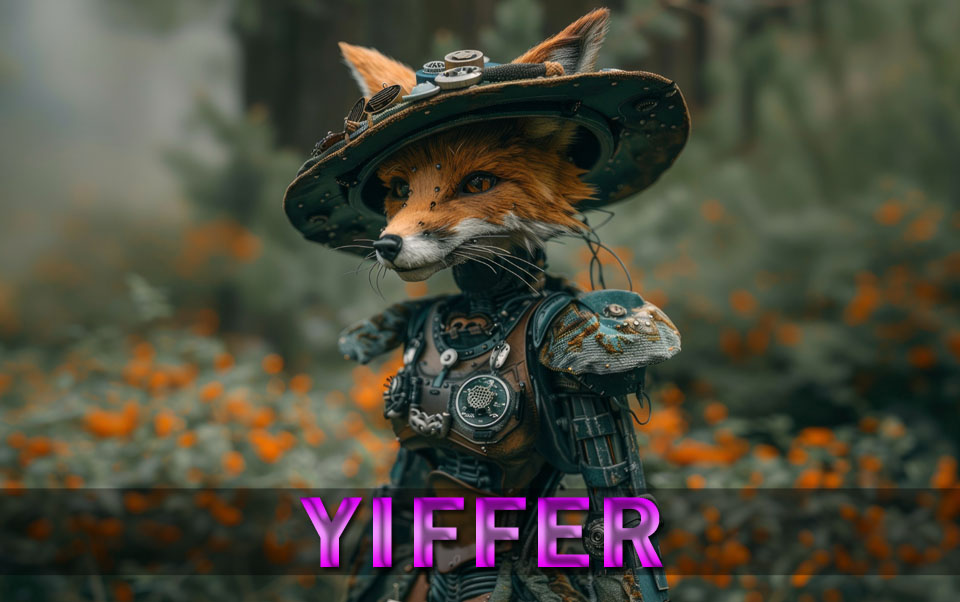
Creative practices associated with yiffer span multiple mediums — from digital illustration and comics to written storytelling and roleplay. Artists often use the term to categorize work that is explicitly adult in theme, while audiences rely on it as a form of content tagging and filtering. This dual function — artistic label and community shorthand — illustrates the complexity of the word in practice.
Beyond creativity, yiffer also raises questions of community norms, responsibility, and ethics. Fandoms that embrace diverse forms of expression often need to navigate how explicit content is presented, moderated, and consumed. This includes debates about consent, content labeling, platform policies, and the balance between creative freedom and audience protection. Such debates highlight the importance of thoughtful participation and respectful boundaries in online spaces.
The purpose of this guide is not only to unpack the meaning of yiffer but also to situate it within the larger framework of modern online ecosystems. Whether you are an artist exploring new creative directions, a fan seeking clarity, or a platform moderator tasked with handling sensitive material, understanding the term in its cultural context is essential. By clarifying misconceptions, highlighting positive contributions, and addressing challenges, this guide positions yiffer as a phenomenon that reflects the evolving relationship between art, community, and digital culture.
What Is Yiffer?
In popular usage within fan communities, yiffer is a term associated with expressions of affection, erotic roleplay, or erotic art involving anthropomorphic characters—characters that blend human and animal traits. While the precise meaning varies by community and context, the term broadly signals work or interactions that are sexual in nature and connected to the broader furry or anthropomorphic fandoms.
Core definitions
- Artistic usage: Visual artworks, comics, and animations that depict erotic or sensual interactions between anthropomorphized characters.
- Roleplay and writing: Erotic roleplay or storytelling featuring anthropomorphic protagonists.
- Community shorthand: A label used within fandom spaces to indicate sexualized content that may require age or consent warnings.
Origins and Linguistic Notes
The word traces its informal history through online communities where shorthand and slang evolve rapidly. Many fandom terms emerge organically on forums, chatrooms, and art-sharing platforms. Like many niche lexicons, the usage of the term yiffer depends on local norms—some communities treat it casually while others use it cautiously or avoid it.
Language and nuance
Language in fandoms frequently carries nuanced meanings. Terms that originate in one subcommunity may be adopted, transformed, or rejected by others. In practical terms, content labeled as yiffer should be assumed to be sexual in nature until specified otherwise.
Yiffer within the Furry Fandom
The furry fandom comprises people who appreciate, create, and celebrate anthropomorphic characters across media. Within this multifaceted fandom, yiffer occupies a recognizable but not universal role.
How it fits into fandom culture
For some participants, erotic expression is a meaningful aspect of their creative practice. For others, it is irrelevant or unwelcome. The furry fandom’s large size and global reach mean that diverse opinions coexist about erotic content’s role and acceptability.
Subcommunities and differences
- Some local communities or conventions maintain strict rules against sexual content in public spaces.
- Online galleries often implement tagging systems to separate explicit and non-explicit art, helping people find the content they want while avoiding accidental exposure.
Creative Practices: Art, Comics, and Storytelling
Creative expression associated with yiffer spans multiple mediums. This section breaks down the major forms and the artistic considerations each entails.
Visual art
Artists producing work labeled as yiffer approach anatomy, texture, and character design with an emphasis on sensuality and physical expression. Common practices include:
- Detailed fur rendering and tactile textures.
- Expressive facial features that convey mood and intent.
- Stylistic choices—cartoony, semi-realistic, or realistic—depending on audience and platform.
Comics and sequential art
Sequential storytelling allows nuanced narratives to unfold. Creators often use pacing, panel layout, and character development to emphasize consent, context, and emotional arcs.
Written erotica and roleplay
Written forms of yiffer focus on voice, sensory detail, and character dynamics. Responsible writers signal explicit content clearly and often include consent and boundaries as narrative elements rather than assuming their presence.
Platforms, Distribution & Tagging
Where yiffer appears affects how it is moderated and discovered. Platforms vary in their policies, and creators typically adapt their distribution strategies accordingly.
Image galleries and art websites
Established art platforms often provide tagging systems, age-gates, and content filters. Using accurate tags—such as “explicit,” “mature,” or “yiff” where allowed—helps the community maintain safe browsing experiences.
Social media and streaming
Platforms with broad consumer bases (image-sharing social networks, streaming services) generally have stricter rules. Creators using these platforms must conform to platform-wide community standards and may need to host adult work on specialized sites or personal stores.
Independent hosting and shops
Many artists sell commissions, prints, or digital files through third-party stores or their own websites. These channels provide more control but require clear age verification and responsible marketing to avoid violating payment processor or host policies.
Ethics, Consent & Community Etiquette
Responsible engagement with erotic anthropomorphic content centers on consent, communication, and context. This section outlines practical etiquette for creators and viewers.
Creator responsibilities
- Clear labeling and age warnings for explicit work.
- Respect for subjects—whether original characters or fan depictions of existing characters that may be copyrighted.
- Honest commissions and fulfillment timescales; transparent pricing and content limits.
Viewer responsibilities
- Checking tags and warnings before engaging with potentially explicit content.
- Respecting creators’ boundaries, rights, and requests (e.g., no reposting without permission).
- Reporting non-consensual or exploitative content to platform moderators.
Consent culture
Healthy communities emphasize consent not only within fictional narratives but in real-world interactions—commission negotiations, sharing, and community discussions all benefit from mindful consent practices.
Controversies and Misunderstandings
Public discussion about yiffer sometimes conflates erotic fandom content with broader moral panics about subcultures. The reality is more nuanced.
Common misconceptions
- All furry fans are sexualized: The majority of fandom participants enjoy non-sexual aspects such as character design, costuming, and storytelling.
- Yiffer equals exploitation: While exploitative material exists and must be challenged, consensual adult erotic expression is not inherently exploitative.
How communities respond
Many fandom communities create clear codes of conduct, moderation teams, and educational resources to address concerns and to separate consensual adult art from harmful content.
Legal & Policy Considerations
Legal frameworks and platform policies shape where and how yiffer can be shared. The following highlights major considerations creators and platforms must navigate.
Age verification and explicit content laws
Different jurisdictions treat sexually explicit material differently. Creators hosting or distributing erotic content should be familiar with local laws and platform terms regarding age verification and distribution.
Copyright and fan depictions
Fan-created erotic depictions of copyrighted characters may intersect with IP rights. While many rights holders tolerate fan art, artists should understand risks and platform takedown procedures.
Payment processors and monetization rules
Monetizing explicit content can trigger restrictions from payment platforms and marketplaces. Many creators use adult-friendly platforms for subscriptions and sales to ensure compliance.
Monetization, Commissions & Professional Practice
For many artists, producing work that falls under the umbrella of yiffer art is a legitimate livelihood. The following best practices help maintain professionalism.
Setting up commissions
- Clear commission sheets with examples and restrictions.
- Deposit systems to protect artist time.
- Explicit written agreements for subject matter, usage rights, and exclusivity.
Pricing and timetables
Artists should price by effort and expertise, and set realistic timelines. Transparent communication reduces disputes and builds a reliable reputation.
Marketing and audience building
While mainstream social platforms may be restrictive, creators succeed by using adult-friendly hosting, newsletters with age-gated signup, and community-specific marketplaces.
Community Moderation & Platform Best Practices
Platforms that host fandom communities face the challenge of balancing creative expression and user safety. Effective moderation systems rely on clear policy, robust tools, and active community feedback.
Tagging and content filters
Accurate tagging empowers users to control their browsing experience. Tags such as “mature,” “explicit,” and “yiff” (where permitted) help separate content and prevent accidental exposure.
Reporting mechanisms
Easy-to-use reporting tools, timely moderation response, and transparent takedown processes build trust and safety.
Community guidelines
Clear, publicly available policies—combined with education about consent and content labeling—allow communities to grow healthily.
Practical Advice: For Creators
Artists and writers working with yiffer material can adopt practical workflows that protect their craft and audience.
Production workflow
- Plan and storyboard: determine explicitness and consent depiction.
- Tag and label early: decide appropriate tags before publishing.
- Use safe hosting for mature content: check platform terms and payment processor rules.
Community building
Respectful interaction, transparency about content, and consistent quality help creators build a supportive fanbase.
Practical Advice: For Viewers & Participants
Fans who encounter yiffer content—whether intentionally or accidentally—benefit from a few straightforward habits.
Before engaging
- Check tags and content warnings carefully.
- Respect creators’ distribution preferences.
- Use platform settings to filter content you do not want to see.
Respect and safety
Report illegal or non-consensual content. Support creators whose work aligns with your values by buying directly from them or following their content guidelines.
Case Studies & Illustrative Examples
Below are anonymized, composite examples illustrating common scenarios around yiffer. These examples are fictional but based on frequent community patterns.
Case A: Commission clarity
An artist establishes a commission sheet that explicitly lists allowed content, pricing, and turnaround times. Clear boundaries prevent misunderstandings and improve client satisfaction.
Case B: Platform moderation
A community gallery introduces mandatory tags for mature content and sees a measurable drop in accidental exposure complaints. The change leads to higher trust and increased submissions from artists who previously withheld explicit work due to fear of mislabeling.
Resources and Further Reading
For creators and community members seeking more guidance, useful resources typically include platform help centers, community code-of-conduct documents, and creator-run guides to safe commissioning practices. (Users should consult their platform’s terms of service and local laws for specific legal guidance.)
Conclusion
Yiffer occupies a distinct and often misunderstood niche within the broader landscape of fandom culture. For many outside observers, it is a term clouded in misconception, sometimes unfairly reduced to stereotypes that overlook the creativity, individuality, and community dynamics behind it. In reality, it represents a subculture of artistic expression that, when approached with responsibility, care, and transparency, can be both meaningful and valid.
At its core, yiffer is not merely about content creation but about communication, identity, and the ways in which people choose to explore imagination through anthropomorphic storytelling and art. Just as mainstream art movements have faced criticism or controversy, this niche has had to defend its space, establish norms, and develop guidelines to thrive. The emphasis on respectful labeling, consent-driven narratives, and age-appropriate participation helps the community maintain integrity while allowing creative freedom to flourish.
The wider fandom benefits from these responsible practices. By setting clear standards for tagging and classification, communities ensure that individuals can choose what to engage with and what to avoid. This level of transparency builds trust among fans and strengthens the cultural identity of the fandom as a whole. At the same time, thoughtful moderation by platforms and active communication by creators allow a safer environment where artistry and exploration can coexist with responsibility and accountability.
For creators, the lesson is to treat their work with the same professionalism and ethical considerations expected in any artistic field. This means labeling explicit content clearly, respecting audience boundaries, and honoring consent in both fictional narratives and real-world interactions like commissions. For audiences, the responsibility lies in supporting creators respectfully, following community rules, and engaging in dialogue that values safety over exploitation. Platforms, meanwhile, hold the unique power to provide the tools and policies that maintain balance — ensuring that creative freedom does not come at the cost of community safety.
Ultimately, readers who choose to create, commission, or consume yiffer-related content are encouraged to do so with awareness and mindfulness. Clear communication, transparency in labeling, and a genuine commitment to consent are not simply best practices — they are essential pillars of a sustainable and respected community. When these values guide participation, anthropomorphic art in its adult form can achieve its highest potential: an expressive, imaginative, and inclusive creative movement that safeguards participants while celebrating artistry.
In this way, yiffer demonstrates how even the most niche cultural practices can serve as reflections of broader societal values — respect, responsibility, and creative freedom. Rather than being viewed solely through the lens of controversy, it should also be recognized as a space of collaboration and innovation within fandom. By understanding, respecting, and contextualizing it, the creative ecosystem surrounding yiffer will continue to evolve in positive, meaningful, and culturally relevant ways.
Frequently Asked Questions About Yiffer
What does yiffer mean?
The term refers to erotic or adult-themed content, roleplay, or art within fandom spaces that involve anthropomorphic characters.
Is the term always used in the same way?
No, its meaning can vary by community, with some using it casually and others treating it with more caution.
Where did the word originate?
It developed within online furry fandom circles as shorthand for adult content involving anthropomorphic characters.
Is all furry art considered adult content?
Not at all. Most furry art is not erotic, and many fans enjoy the fandom without engaging in adult themes.
Can minors access this type of content?
No, such material is strictly intended for adults and should be age-gated to protect younger audiences.
What platforms allow this content?
Some art platforms allow it with proper tagging, while others prohibit explicit work entirely.
Are there legal concerns with sharing this material?
Yes, creators must follow local laws and platform rules regarding explicit art and distribution.
Do conventions showcase adult work?
Many conventions restrict it to private, age-verified areas to ensure safe and appropriate access.
How do artists label their work?
Most use clear tags like “mature” or “explicit” to help viewers identify adult content before engaging.
Is commissioning explicit furry art common?
Yes, many artists accept commissions, provided the subject matter is legal, consensual, and properly agreed upon.
Does yiffer represent the entire fandom?
No, the fandom is much larger than adult content, encompassing costumes, stories, art, and community gatherings.
How do communities moderate such content?
They rely on tagging systems, reporting tools, and community guidelines to separate adult material from general audiences.
Is it possible to enjoy furry culture without adult themes?
Absolutely, many fans participate in conventions, art, and social activities that are entirely family-friendly.
What role does consent play in these spaces?
Consent is crucial in commissions, roleplay, and sharing, ensuring respect for both creators and participants.
Are there common misconceptions?
Yes, one misconception is that all fans engage in adult content, which is far from accurate.
How do payment platforms treat explicit furry art?
Some processors restrict adult transactions, leading many artists to use specialized adult-friendly platforms.
Is sharing explicit furry art allowed on social media?
Most mainstream platforms prohibit it, so artists often direct audiences to dedicated websites.
What risks do creators face?
Risks include copyright disputes, platform bans, and financial service restrictions.
Can educational guides cover this subject?
Yes, guides can responsibly explain the culture, including yiffer, while promoting safety and consent.
How should newcomers approach this community?
By respecting boundaries, learning community norms, and understanding that yiffer is only one aspect of a broader fandom.